
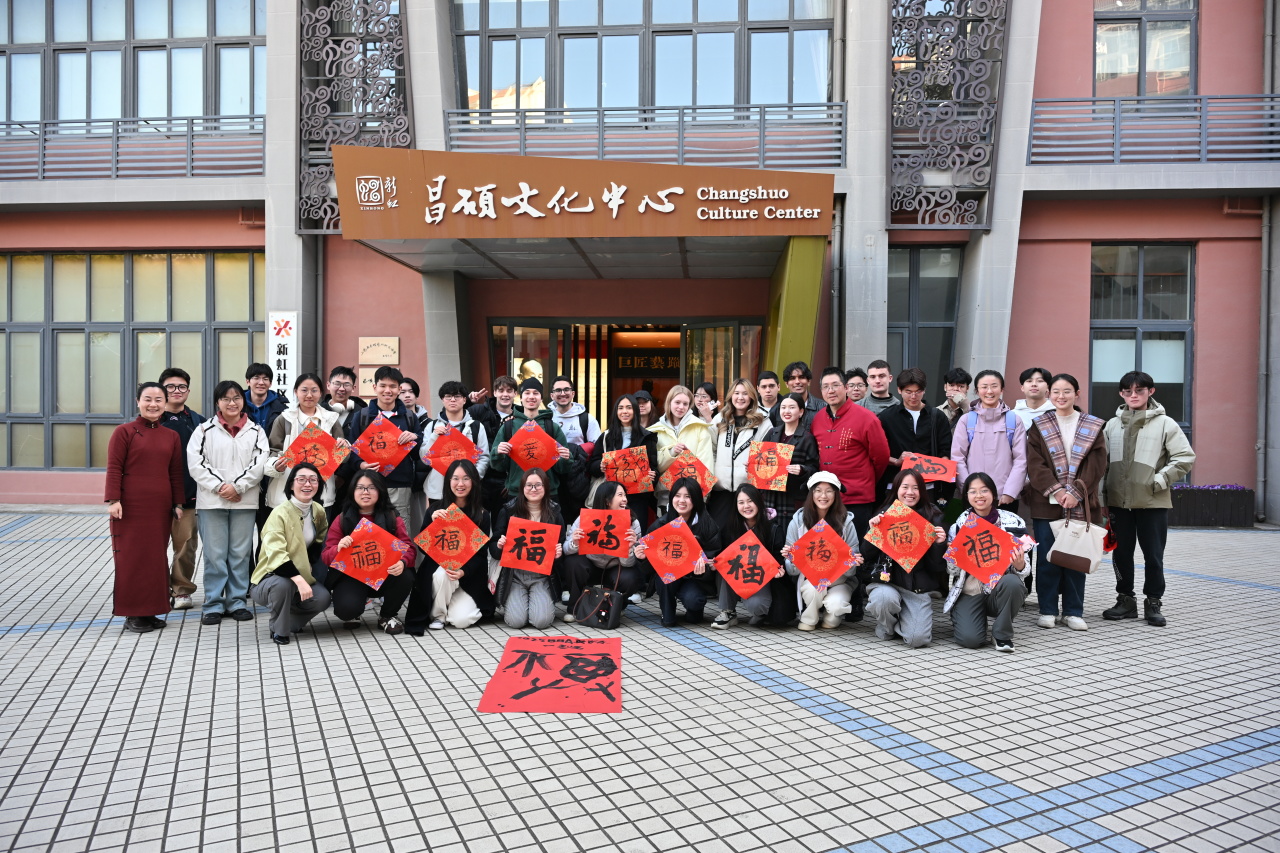
Students from 42 nations in the BBA Class of 2025 participated in a study visit to the Changshuo Cultural Center with the theme "Decoding Chinese Business Logic Through Its Characters" led by Dr. Ying ZHAO. The tour aims to improve students' awareness of Chinese culture by promoting inquiry, introspection, and hands-on learning.

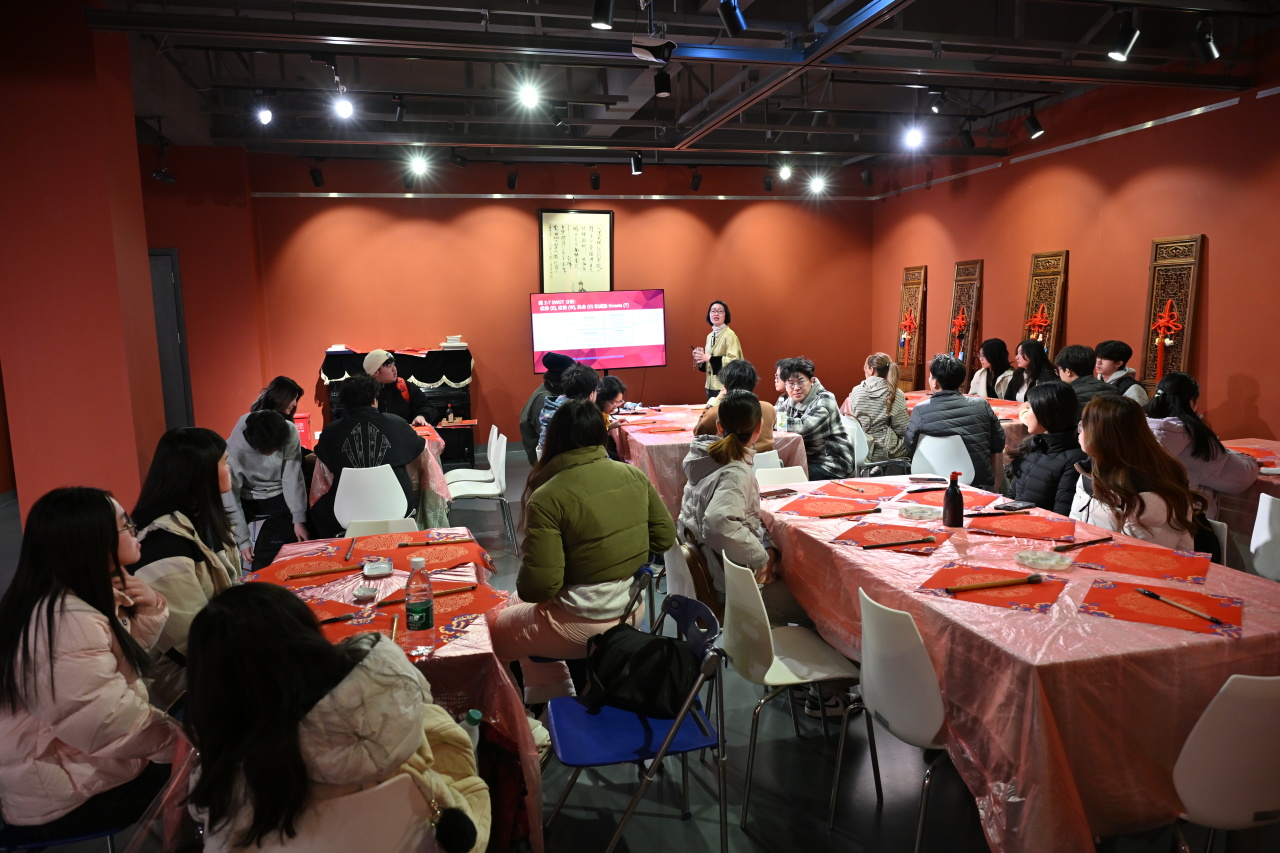
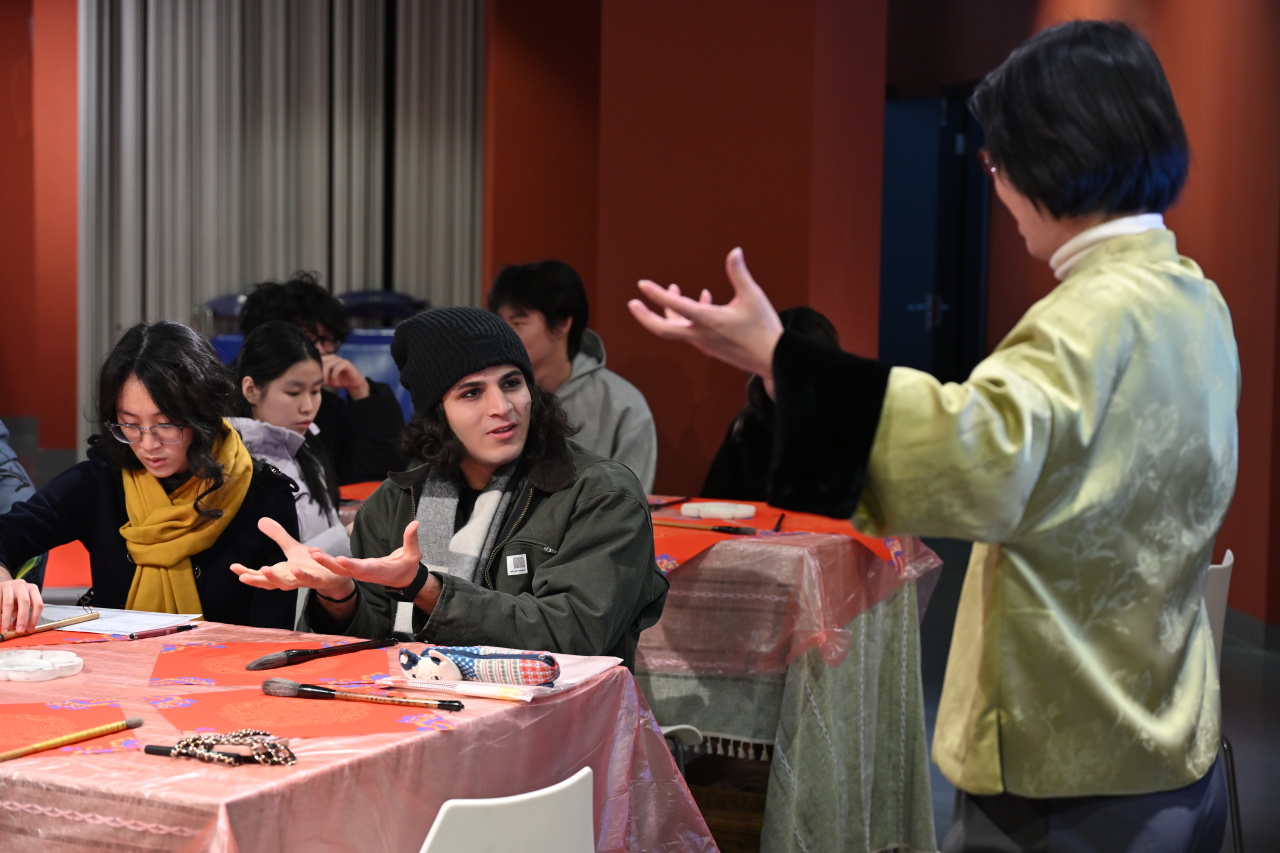
The visit began in a conference room where students met with Dr. Ying ZHAO. After settling at the tables, the teacher briefly reviewed the previous week’s lesson on the topic of Business Model and asked several questions to ensure that everyone understood the key concepts discussed in the previous class. This interactive discussion allowed students to recall and connect important ideas before moving on to the main topic of the session.
Then, relying on the exhibition resources of the cultural center, Dr. Ying ZHAO, gave the students a systematic explanation of the origin, formation methods and evolution of Chinese characters, deeply elaborated the core character-formation logic, and analyzed the thinking transformation of Chinese characters from concrete depiction to abstract meaning expression. In the class, the teacher also compared the Chinese character system with the writing systems of other countries such as Indonesia, explained the regional diversity of Chinese dialects, enabling the students to clearly recognize the uniqueness of Chinese characters as ideographic writing, as well as the way of thinking of the Chinese people in observing and understanding the world behind them — a thinking logic that is the cultural root of Chinese business philosophy and management wisdom. Meanwhile, the course focused on Chinese characters with the "shell (bei)" radical, conducting in-depth research on derivative characters such as wealth (cai), trade (mao), victory (ying) and trust (xin). It interpreted the Chinese business value of diligence and punctuality from the character "mao" (trade), which combines "mao" (early morning) and "bei" (shell/money), meaning "working early to earn wealth"; analyzed the crisis awareness, communication skills, time management, resource control and humble attitude required for business success from the five components of "ying" (victory); and expounded the core value of trust in Chinese business culture from "xin" (trust), which is a combination of "ren" (person) and "yan" (speech), meaning "a person's word is their bond". Through the form and meaning of Chinese characters, the students perceived the cultural genes of Chinese business concepts such as "honesty as the foundation", "harmony without uniformity" and "long-termism".Dr. Zhao also sought to illustrate for her students how Chinese people navigate daily life and business agreements, contrasting it with approaches common in other linguistic and cultural communities—from the holistic versus the particular, the general versus the inquisitive, and the balanced against the pursuit of one-sided interests.
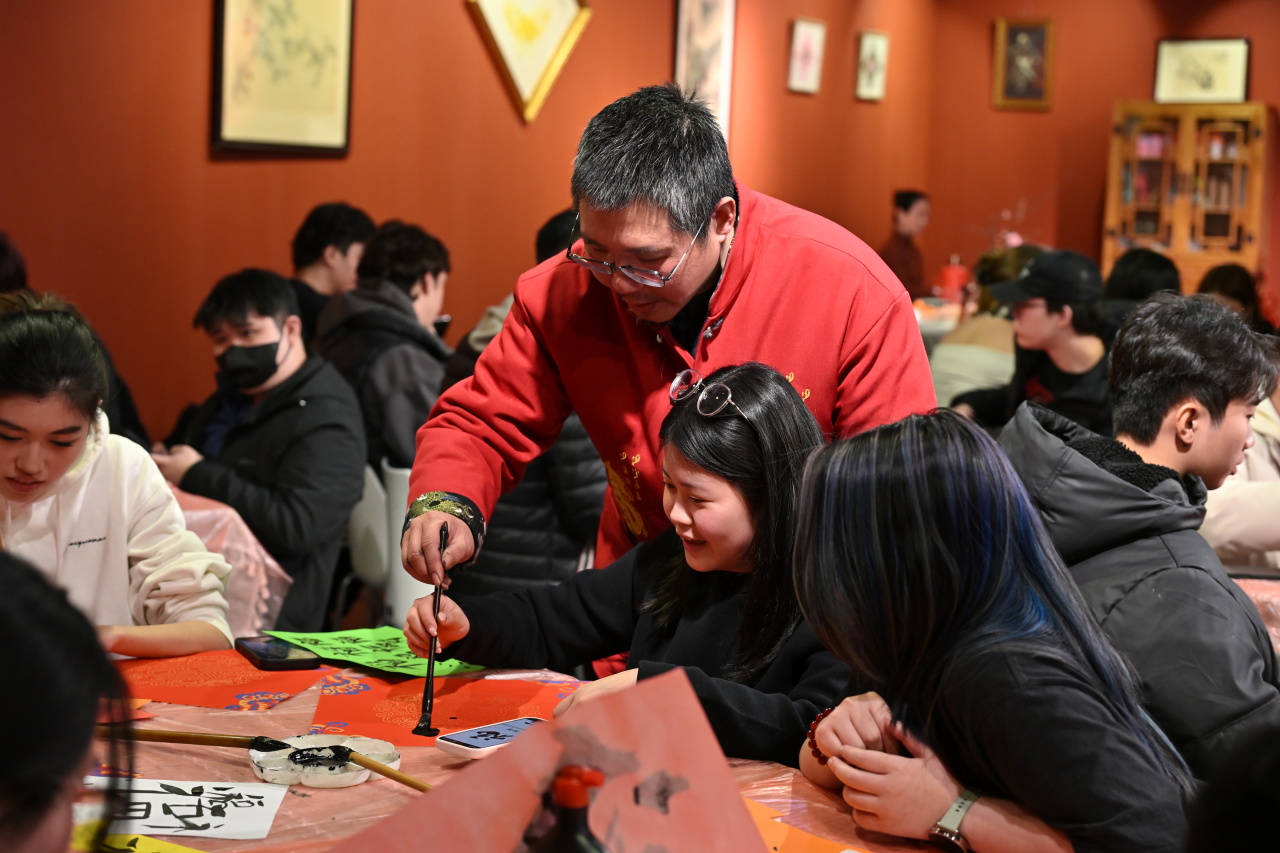
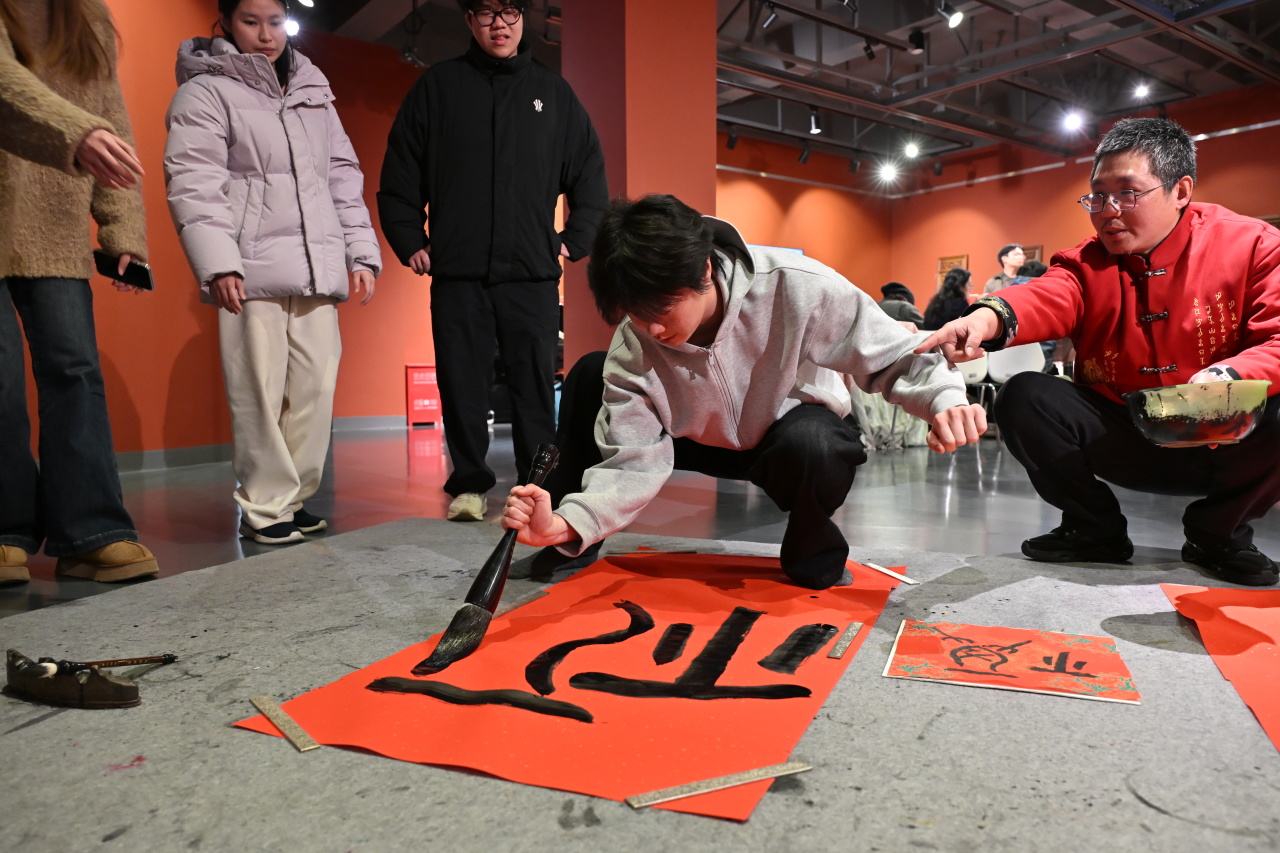
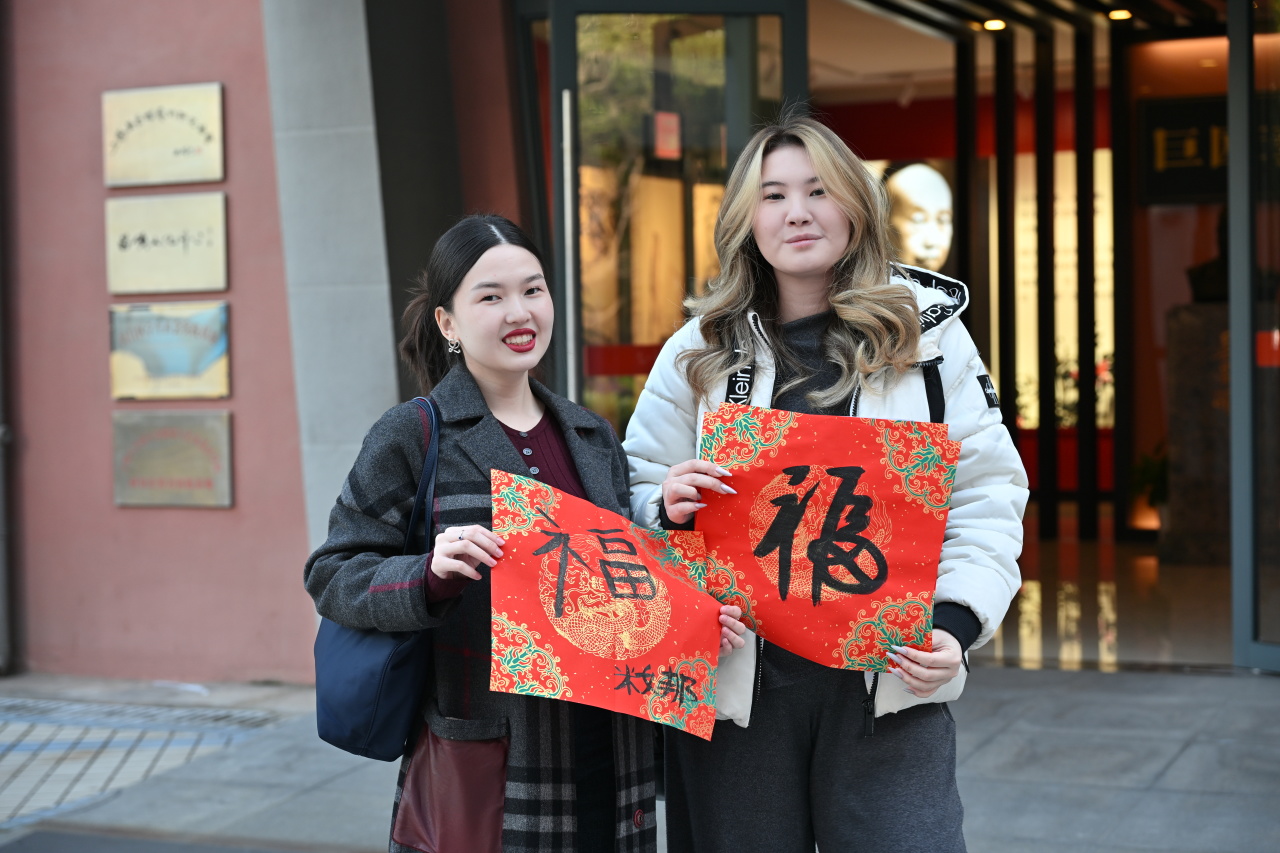
Later in the session, a Chinese calligraphy professional joined the group to share insights into traditional Chinese calligraphy and its cultural significance, making everyone understand that calligraphy is not only the art of writing characters, but also the embodiment of the Chinese people's spiritual realm and life wisdom. Each student received a sheet of red paper on which they would eventually write Chinese characters. Before using the red paper, students practiced on regular sheets while learning how to write the character 福 (Fu), a symbol commonly associated with happiness and good fortune. For most students, this was their first time practicing Chinese calligraphy. The exercise required patience and precision, as the strokes needed to be well balanced and carefully proportioned. Throughout the activity, the calligraphy professional walked around the room to help students improve their technique.
Once students felt confident enough, they wrote the character on the red paper. The experience was both unique and memorable for the class, offering an opportunity to connect directly with an important aspect of Chinese cultural tradition.
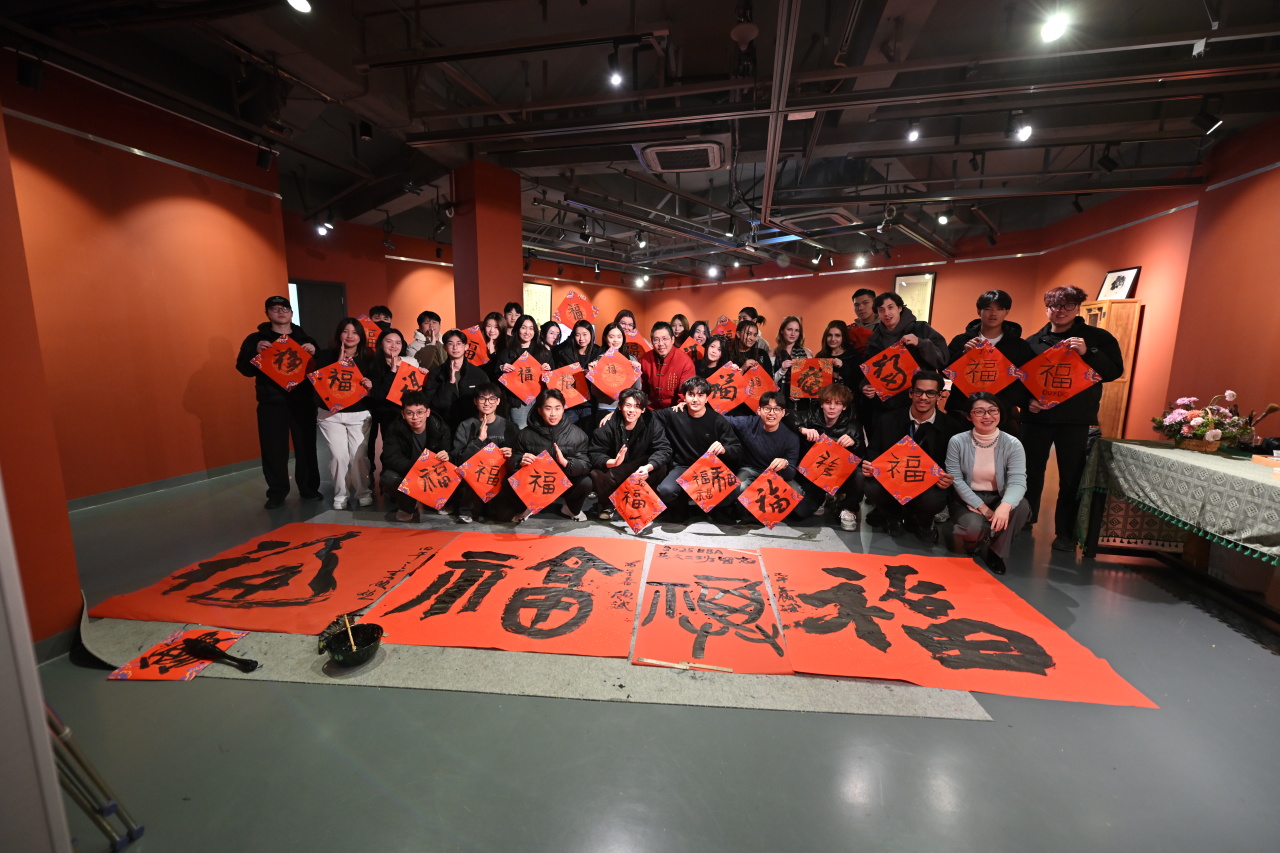
Toward the end of the session, ten students where invited to write characters on a very large sheet of paper, allowing the class to collaborate on a final piece of calligraphy. The activity concluded shortly after, and students returned with a deeper appreciation for Chinese language, art, and culture as well as a deeper understanding of the Chinese cultural value of "working together in harmony," which vividly embodied the team spirit highlighted in the leadership course.