



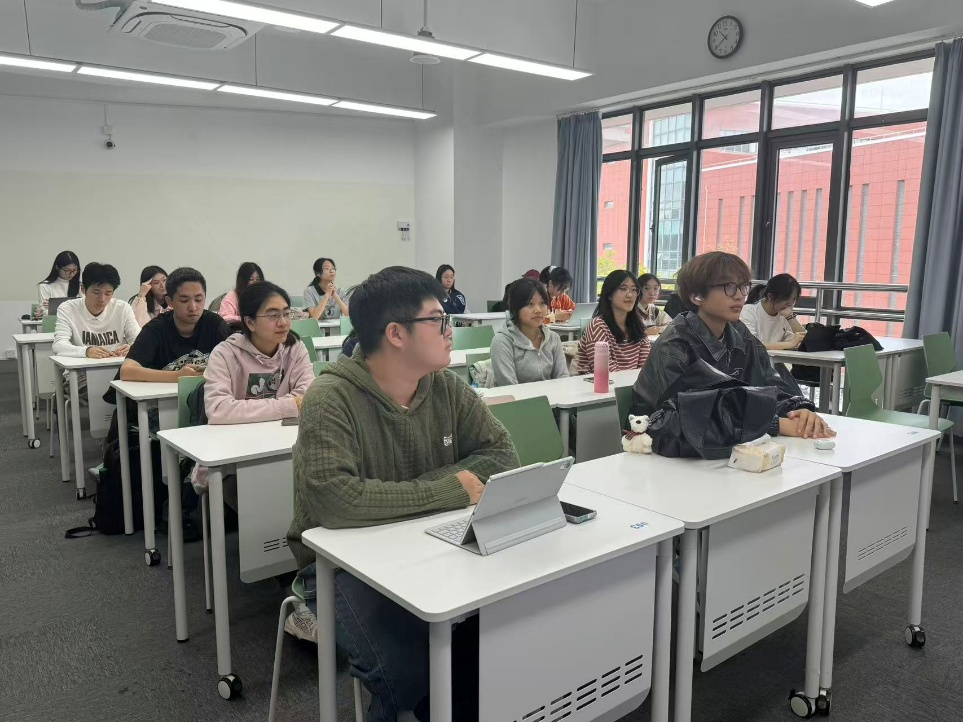
To effectively enhance students' cybersecurity awareness and prevent the surge in telecom and online fraud cases around the "Double Eleven" shopping season, a themed class meeting on "Cybersecurity & Telecom Fraud Prevention" for all students of the class of 2023 and 2024 was held October 30, 2025. The meeting took place in classroom H201, Building 2, Minhang Campus. Counselor Ms. Dong as the main speaker, delivering a vivid and practical "security protection lesson" through case studies.
Addressing the current high incidence of online fraud, especially with the approaching "双十一" online shopping period where various promotional activities and fraudulent tactics intertwine, Ms. Dong stated, "As frequent users of the internet, university students are both beneficiaries of digital life and potential targets for scammers. It is essential to proactively 'guard against scams' and master the skills to 'avoid pitfalls'." Subsequently, Ms. Dong provided detailed explanations focusing on three common types of fraud targeting university students, supported by real case studies.
In the section on "Gaming / Event Tickets / Virtual Item Fraud," the meeting began with a case of a university student who was defrauded on the Steam platform late at night. the scammer's tactics, which involved claiming the student's "account was involved in fraud" and "required capital verification for self-proof," ultimately led the student to click on unfamiliar links and transfer money via QR codes. Ms. Dong specifically reminded everyone, "Scammers often exploit lower vigilance late at night. Always verify unfamiliar information, consult with roommates for a second opinion, and never easily click on unknown links or transfer money."
Regarding "Online Rebate Scams ", the typical way of such fraud is as following steps: "Small rebates as bait — Trapping victims with larger upfront payments — Cutting contact and causing losses.""All 'brush scamming' or rebate tasks are fraudulent!", ranging from a few yuan to a few hundred, are merely "bait" designed to lure victims into investing larger principal sums later. Any task requiring "advanced payments" or "downloading a specified APP" must be outright refused.
Another typical fraud is "Online Loan Fraud," with claiming of "canceling a student loan account would affect personal credit." She pointed out that scammers often lower students' guard by "accurately stating their personal information," then use phrases like "clear your credit limit" or "official account liquidation" to induce them to take out loans and transfer funds. Ms. Dong clearly informed the students, "Legitimate lenders never require upfront fees. Any call claiming you need to 'cancel a student loan account' is a scam. If facing financial difficulties, students should immediately contact their parents and the school to seek help through official financial aid channels."
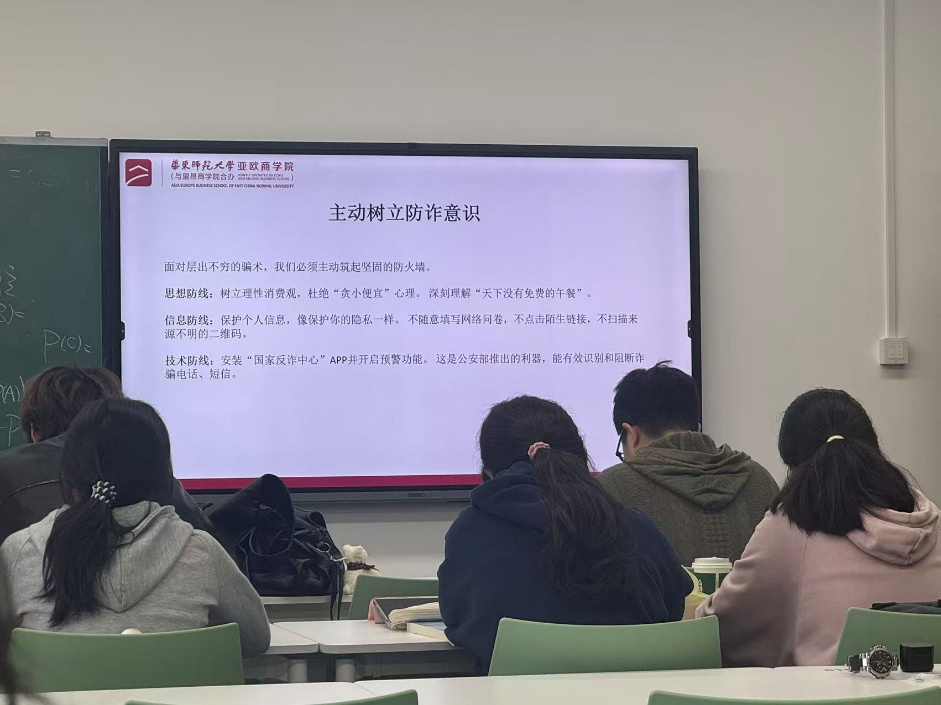
There are "Four Lines of Defense" against fraud from four dimensions: mindset, information, technology, and action. Mentally, students should foster rational consumption habits and reject the mentality of "seeking small advantages." Regarding information, they must strictly protect personal privacy and avoid casually filling out online questionnaires or scanning unfamiliar QR codes. Technologically, they should install the "National Anti-Fraud Center" APP and enable its warning features. In terms of action, they must remember the "Three Don'ts and One Do" principle: Don't trust unverified information, Don't disclose sensitive personal information, Don't transfer money to unknown accounts, and Do verify promptly with family, counselors, or the police if encountering suspicious situations.
Considering the upcoming "双十一" shopping season, Ms. Dong added specific anti-fraud reminders for shopping scenarios, such as being wary of "low-price phishing links" and "fake customer service refund scams," helping students avoid risks while enjoying the convenience of online shopping. At the end of the session, a police reminder was shared: "Cybersecurity is no small matter. If you suspect you have been defrauded, seize the 'golden hour' – immediately call 110 to report it, and simultaneously contact your counselor and the campus security office to minimize losses."
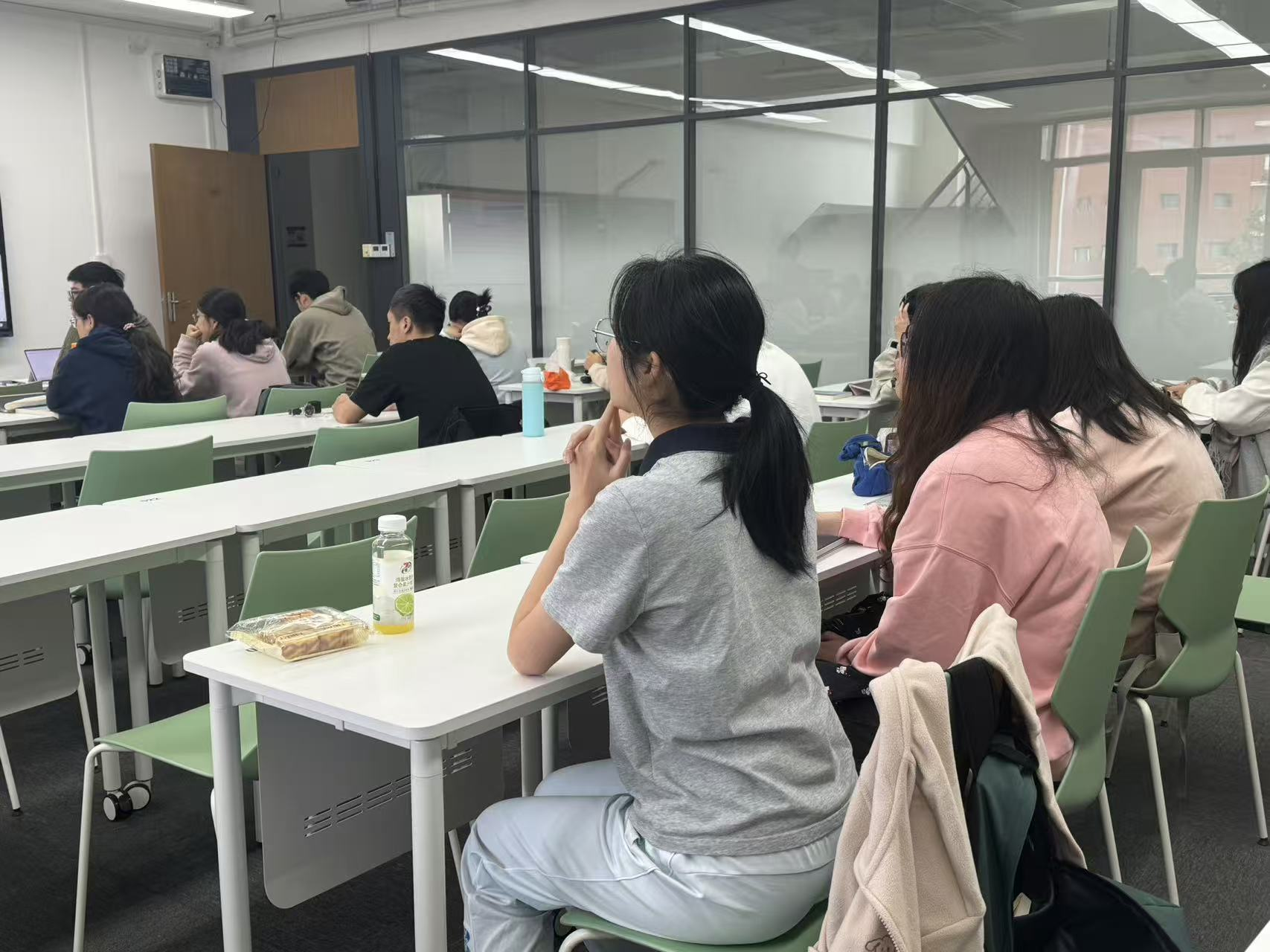
This themed class meeting closely aligned with students' daily lives, featuring relevant case studies and practical guidance. It not only systematically equipped the 2023 and 2024 cohort students with methods to identify telecom fraud and corresponding coping techniques but also significantly enhanced their self-protection awareness. The students unanimously expressed that they would apply the knowledge gained from the class meeting in their daily lives and share these anti-fraud insights with their peers, working together to create a safe campus environment where "everyone can recognize and guard against fraud."